What Tech Leaders said in last 10 days

AI is reshaping the technology industry, but the questions facing its leaders go well beyond model performance. How much infrastructure should companies build? Who will own enterprise intelligence? How will AI agents change software, security, and the way people work? This selection of interviews, published October 20–30, 2026, brings together perspectives from leaders at AWS, Microsoft, Amazon, NVIDIA, IBM, Palo Alto Networks, OpenAI, and Google. The conversations offer a useful view of where these companies are placing their bets—and the practical and economic challenges ahead.
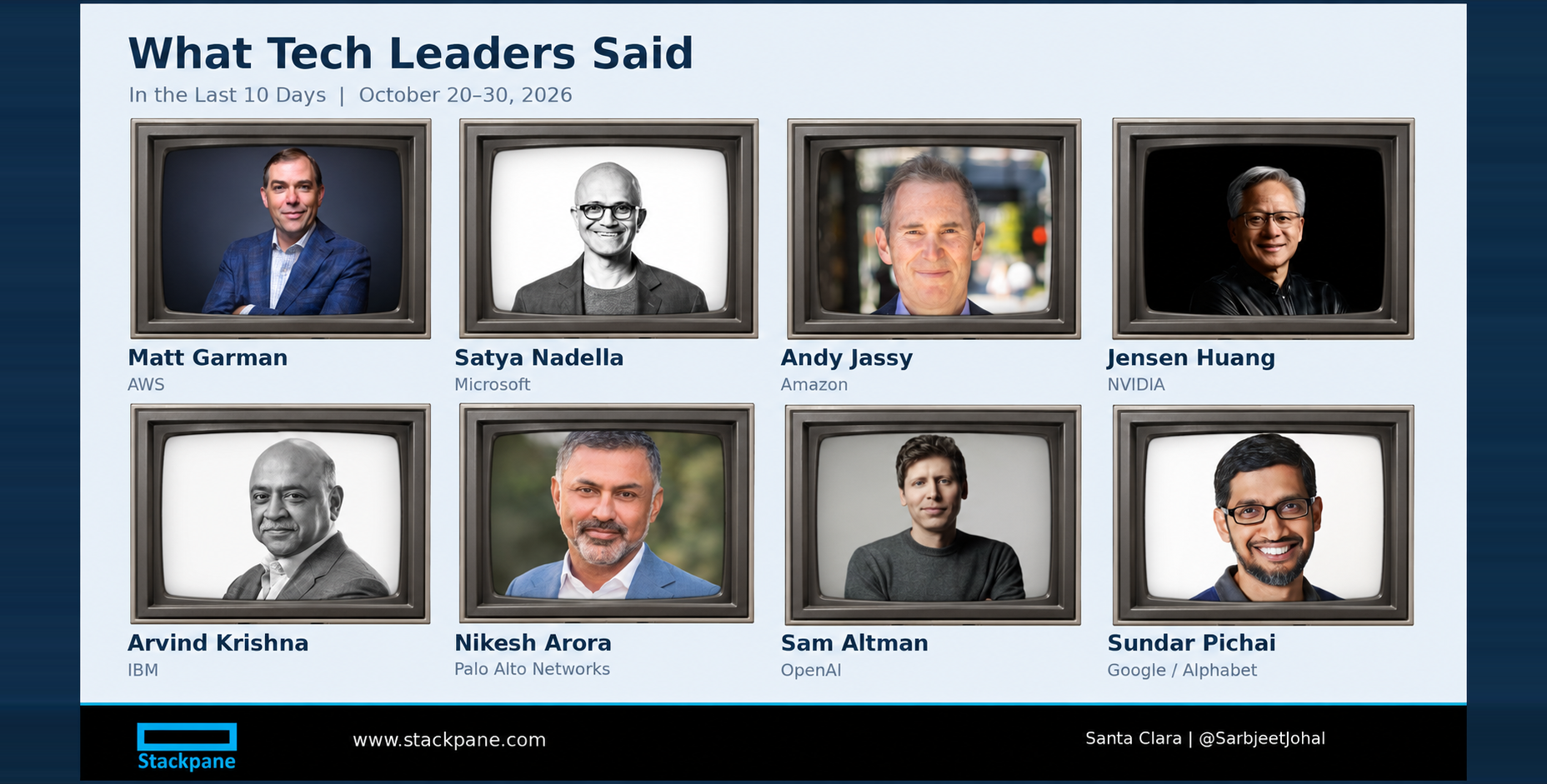
Eight tech leaders featured in Stackpane's What Tech Leaders Said roundup, wide landscape format

Oct. 30, 2026 – Matt Garman — AWS – Bloomberg Tech / Ed Ludlow

Main topics: Cloud growth, AI demand, and funding infrastructure expansion.

YouTube link: Watch on YouTube

Oct. 26, 2026 – Satya Nadella — Microsoft – 20VC / Harry Stebbings

Main topics: Open versus closed models, trusting AI agents, owning enterprise intelligence, and AI economics.

YouTube link: Watch on YouTube

Oct. 23, 2026 – Andy Jassy — Amazon – a16z / Ben Horowitz and Erik Torenberg

Main topics: AI infrastructure investment, AWS’s growth potential, inference costs, and AI’s impact on Amazon’s operations.

YouTube link: Watch on YouTube

Oct. 21, 2026 – Jensen Huang — NVIDIA GTC Berlin Keynote

Main topics: AI infrastructure demand, neoclouds, investment spending, and Europe’s AI opportunity.

YouTube link: Watch on YouTube

Oct. 21, 2026 – Arvind Krishna — IBM & Nikesh Arora — Palo Alto Networks – All-In

Main topics: Quantum threats to encryption, open-weight versus frontier AI, cyber warfare, and software consolidation.

YouTube link: Watch on YouTube

Oct. 21, 2026 – Sam Altman — OpenAI – Matthew Berman

Main topics: Recursive self-improvement, AI consciousness, scientific discovery, personal assistants, and hardware ambitions.

YouTube link: Watch on YouTube

Oct. 21, 2026 – Sundar Pichai — Google / Alphabet – Sources / Alex Heath

Main topics: Gemini, DeepMind leadership, compute shortages, AI infrastructure spending, personal agents, Waymo, and quantum computing.

YouTube link: Watch on YouTube

Oct. 20, 2026 – Sundar Pichai — Google / Alphabet – Big Technology / Alex Kantrowitz

Main topics: Competition with OpenAI, compute allocation between AI research and Cloud customers, AI agents, monetization, and Apple/Anthropic partnerships.

YouTube link: Watch on YouTube
Google Introduces Gemini 4 Carbon: Advances in Agentic Coding and Cybersecurity

Google has announced Gemini 4 Carbon, its latest frontier model, with notable improvements in agentic coding, long-horizon reasoning, and cybersecurity. The company says it will begin making Carbon available this week to a subset of trusted cyber defenders, with access expanding to additional partners through its Fairwind Program ahead of a broader rollout.

For enterprises and developers, the announcement points to a model designed to stay with complex tasks longer: investigating software issues, navigating large codebases, and helping security teams find and remediate vulnerabilities.

Stronger performance in coding and cybersecurity

Google says Carbon is designed for sustained agentic workflows. Its internal teams have used the model on multi-step engineering tasks including diagnosing and patching subtle bugs across large codebases and low-level systems. The company also reports improvements in generating secure code compared with Gemini 4 Argon.

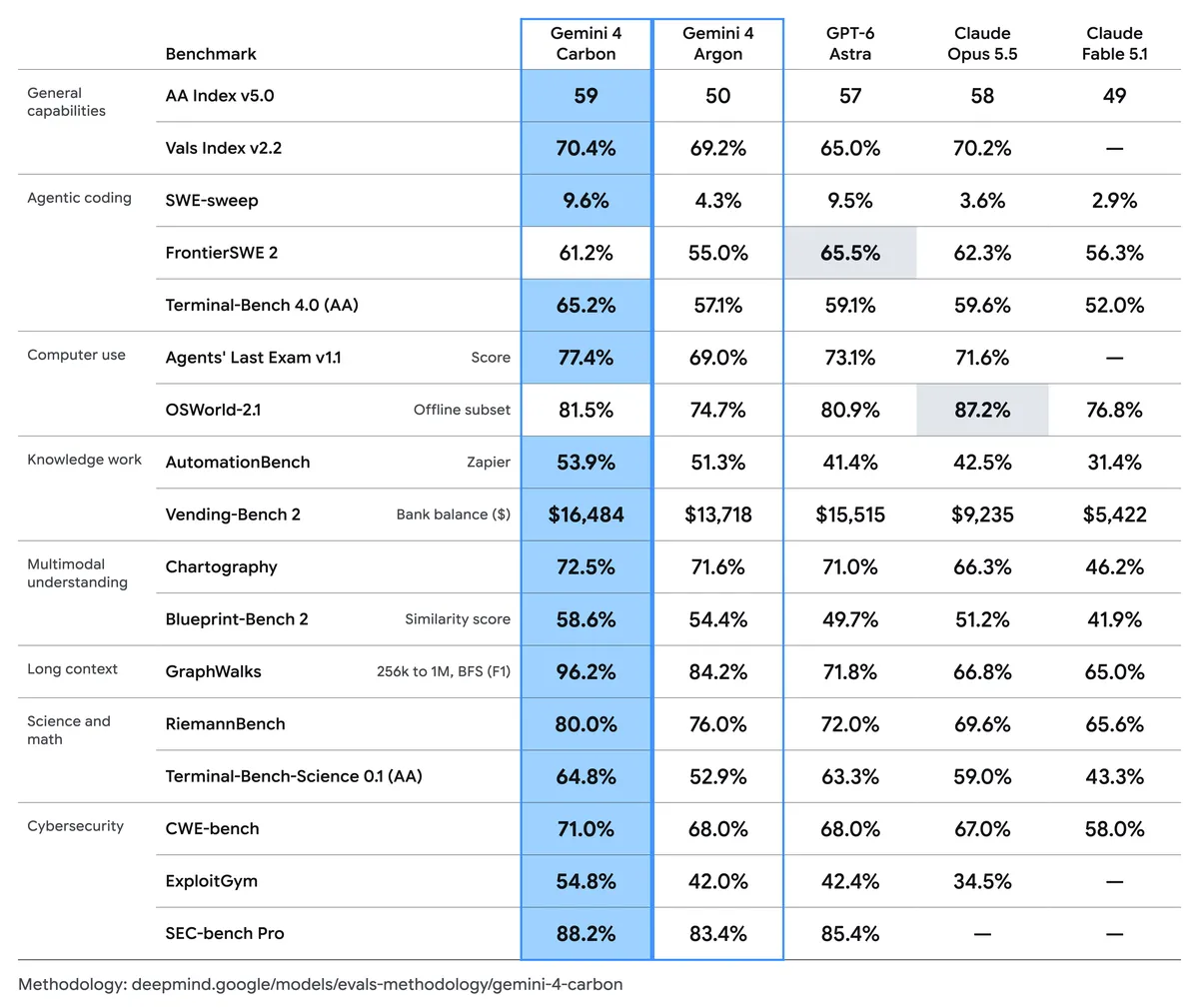
In the benchmark results supplied by Google, Carbon scores 65.2% on Terminal-Bench 4.0, compared with 57.1% for Argon. On SWE-sweep, it scores 9.6%, up from 4.3%. On FrontierSWE 2, Carbon scores 61.2%, while GPT-6 Astra and Claude Opus 5.5 score 65.5% and 62.3%, respectively.

For cybersecurity, the reported scores are 88.2% on SEC-bench Pro, 54.8% on ExploitGym, and 71.0% on CWE-bench. These compare with Argon’s 83.4%, 42.0%, and 68.0%, respectively. Google says the cybersecurity benchmarks were evaluated without guardrails.

How Carbon compares across categories

The chart below shows the reported results across multiple categories, comparing Gemini 4 Carbon with the previous release, Gemini 4 Argon, and other frontier models. It covers general capabilities, agentic coding, computer use, knowledge work, multimodal understanding, long context, science and math, and cybersecurity.

Benchmark comparison of Gemini 4 Carbon, Gemini 4 Argon, GPT-6 Astra, and Claude models across coding, cybersecurity, and other categories.
Source: Google. Benchmark scores compare Carbon with Argon and other frontier models; results are specific to each evaluation.

Carbon improves on Argon across the results shown, but it does not lead every comparison: Claude Opus 5.5 scores higher on OSWorld-2.1, and GPT-6 Astra scores higher on FrontierSWE 2. Benchmark results are useful signals, though real-world results will depend on the task, tools, deployment settings, and evaluation methodology.

A phased rollout through Fairwind

Google says it is taking a phased approach, starting with a subset of cyber defenders this week and gradually expanding access to trusted partners through the Fairwind Program. The company plans to gather feedback and refine guardrails before bringing Carbon to developers, businesses, and consumers. It has not given a firm date for wider availability.

Google also announced introductory pricing of $2 per million input tokens and $10 per million output tokens, with cached input tokens discounted by 95%. After the introductory period, the stated prices are $4 and $20 per million input and output tokens, respectively.

Stackpane perspective

The most meaningful shift to watch is how reliably these benchmark gains translate into production workflows. Better security analysis and longer-running coding agents could make a practical difference. Enterprises will still need to evaluate accuracy, human review, access controls, cost, and performance against their own code and operating environments. My advice is to test the model in smaller use cases and then expand the coverage. BTW, frequency of frontier model releases is making most Ops people scratching their heads!

For now, trusted defenders get the first look. The wider developer and enterprise community will have to hang tight.

Sources: Google’s Gemini 4 Carbon announcement and Google’s evaluation methodology.

Microsoft Offers Voluntary Exits to 60,000 Eligible Employees

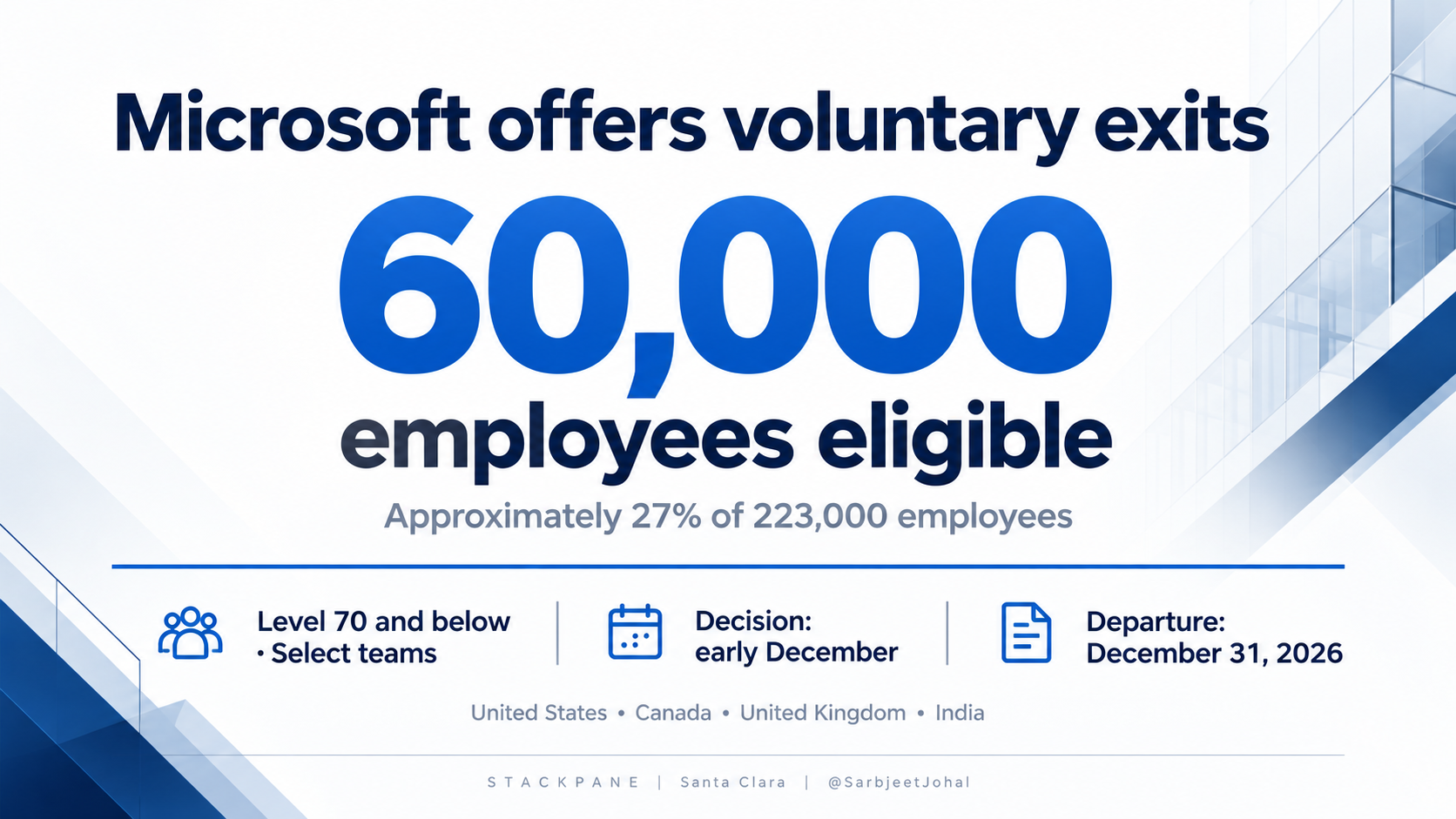
Microsoft voluntary exit offer: approximately 60,000 employees eligible

This is huge: Microsoft is offering voluntary exits to approximately 60,000 eligible employees at level 70 and below on participating teams. The eligible range includes employees from junior roles through senior leadership; it is not limited to junior and mid-level staff.

Eligible employees must decide whether to accept the offer in early December. Those who participate will leave on December 31, 2026.

The eligible pool represents approximately 27% of Microsoft’s reported global workforce of 223,000 employees. A subset of that pool is expected to accept the offer; the number who will leave is not yet known.

In April, Microsoft announced a voluntary retirement program for which around 7% of its U.S. employees were eligible. Then, in July, Microsoft announced plans to lay off 4,800 employees.

A detailed report from Jordan Novet, who covers Microsoft for CNBC, is available here.

My Perspective: Retain, Retrain and Redeploy

I believe opportunities elsewhere, combined with inaction inside companies, could lead to significant talent movement over the next few years.

Poor judgment today could leave companies stranded without the people they need tomorrow. When experienced employees leave, they take more than their current skills with them: they take institutional knowledge, customer relationships and an understanding of how the business works.

After more than 30 years in this industry, I believe companies should make every reasonable effort to retain, retrain and redeploy their workforce before laying people off and hiring others with newer skills.

That does not mean companies should never hire from outside. They will need new expertise. But they should first ask: Can we develop the skills we need in the people who already know our business?

The companies that get this right will give employees more than training. They will give them time to learn, opportunities to apply new skills and a reason to build their future inside the company.


Microsoft experience levels

These are illustrative software engineering levels; titles and responsibilities can vary by role and organization:

  • Entry-level / new graduates: Learning the ropes.
  • SDE II (L61–L62): Mid-level engineers owning features and growing their scope.
  • Senior SDE (L63–L64): Leading projects and mentoring others.
  • Principal and above (L65+): Shaping technology strategy and broader company goals. The eligible range extends through level 70, including some senior leaders.

#Microsoft #TechCareers #SoftwareEngineering

Google Brings Gemini Agents to Government Workflows

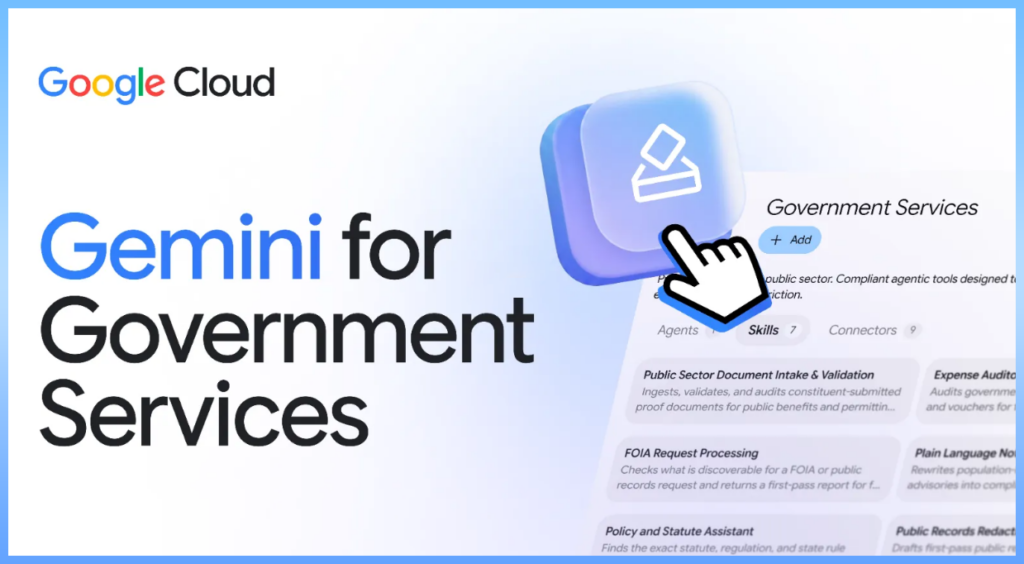
Google Cloud has introduced Gemini for government services, now in preview, to help federal, state, and local agencies apply AI to everyday operations. The focus is on work shaped by regulations, sensitive information, legacy systems, and human accountability.

The offering combines government-specific instructions, connections to existing agency systems, partner-built agents, and centralized governance. Google says agencies can connect their systems without migrating data while preserving existing access permissions.

My take: The workflow is where AI earns its value

Government use cases are a useful test of enterprise AI because producing an answer is only one part of the job. That answer must reflect the applicable rules, respect access controls, cite supporting evidence, and fit an established approval process.

This announcement reinforces a broader shift I see across the industry: AI value increasingly comes from connecting models to institutional knowledge and operational systems. The model matters, but so do integration, information architecture, governance, and the people responsible for decisions.

From a systems economics perspective, agencies should measure the full cost of completing a task. A faster document review has limited value if employees spend the time saved correcting errors or checking unsupported conclusions.

The measures of success should include:

  • Service delivery: Shorter processing times and smaller backlogs.
  • Quality: Fewer errors, clearer explanations, and less rework.
  • Accountability: Traceable evidence and meaningful human oversight.
  • Economics: Lower cost per successfully completed case, including integration and review.

Because there is no one AI workload, there is no one KPI for AI. Government adoption will need to demonstrate value workflow by workflow. This preview gives Google an opportunity to show how governed agents can translate technical capability into better public service.

Where Google sees immediate applications

  • Policy research: Find answers grounded in regulations and agency guidance.
  • Public records requests: Locate and organize documents for Freedom of Information Act reviews.
  • Document redaction: Identify sensitive information and propose redactions for human approval.
  • Procurement: Evaluate vendor bids against requirements and document scoring.
  • Grant audits: Flag questionable expenses and missing documentation.
  • Application intake: Validate submitted documents and identify incomplete information.
  • Public communication: Turn complex guidance into plain-language notices.

The platform supports connections across Oracle, Salesforce, ServiceNow, Google Workspace, and Microsoft 365. Its security foundation includes an option to deploy within Google Cloud’s Assured Workloads FedRAMP High Data Boundary. Google also says agency information will not be used to train its foundation models without permission.

More from Google on this announcement here.

Why Domain-Specific AI Can Be Faster, Safer, and More Economical

I believe domain-specific AI will become better, safer, and more economical for the enterprise work it is designed to perform. That is why I have repeatedly praised Google’s focus on industry-specific AI.

At Gemini at Work on October 8, 2026, Thomas Kurian reinforced that direction. For me, the significance goes beyond another product announcement: it points to where enterprise AI can create lasting value. We had an  analysts Q&A session with Google execs after the announcement on October 8 which brought some additional clarity around the announcements. 

Google’s industry focus is taking shape

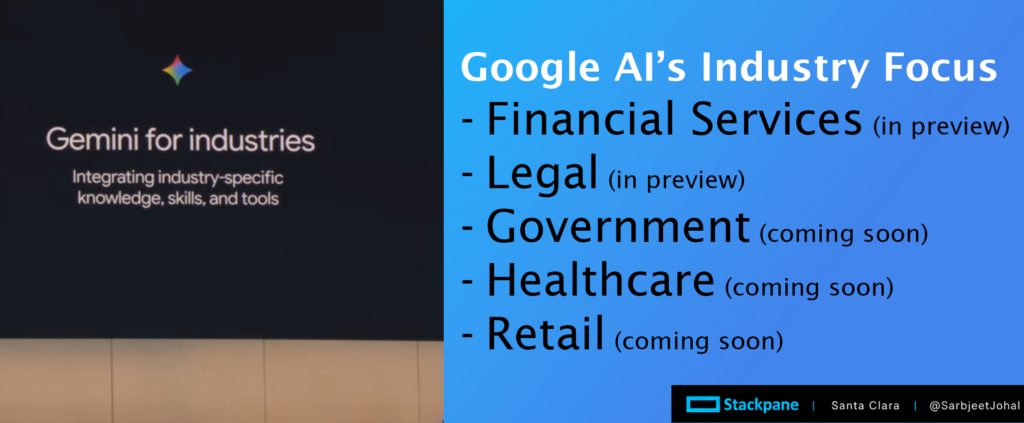
Google’s Gemini at Work announcement identifies Financial Services and Legal as in preview, with Government, Healthcare, and Retail coming soon. These are the availability labels announced at the event, rather than a claim that all five offerings are generally available.

The direction matters. Enterprise buyers need AI that understands the context of their work: its terminology, information sources, workflows, permissions, and standards of quality. A capable model is the starting point. Putting it to productive use requires the surrounding system.

The economic unit is a useful outcome

This is where systems economics becomes central. Token pricing alone does not tell an enterprise what AI costs. The full cost includes data preparation, integration, inference, review, rework, and ongoing operations. A cheaper response that requires repeated corrections may produce a more expensive workflow. A more capable system may justify its cost if it consistently reduces that work.

My preferred question: What does it cost to complete a useful, verifiable business task? Domain-specific AI earns its economic advantage when it improves that answer after the cost of specialization is included.

Why this matters for Google

I see Google’s combination of frontier-model development and hyperscale cloud delivery as a significant strategic advantage. An industry focus gives it a way to connect those capabilities to the environments where enterprise work happens.

The opportunity is to make more of the required infrastructure, integration, and workflow knowledge reusable across customers. Execution will determine how much of that opportunity becomes a practical advantage.

I have praised Google AI’s Industry/Vertical focus, repeatedly since they have announced it. In this week’s announcements, Thomas Kurian reiterated that focus with latest Gemini At Work announcements from Mountain View! 

This is Google’s huge differentiator as a Frontier Lab and a Hyper Scaler/Cloud Provider. I am sure that they will add more industries as time progresses, tech matures, and more industries come forward to collaborate.

Google AI’s Industry Focus (so far)

– Financial Services (in preview)

– Legal (in preview)

– Government (coming soon)

– Healthcare (coming soon)

– Retail (coming soon)

 My conviction remains: domain-specific AI can turn broad model capability into better enterprise outcomes. Its value will be proven through the quality, safety, and economics of the work it completes.

Adapted and expanded from my original LinkedIn post. Graphic reused from that post. Product availability references reflect Google’s October 8, 2026 announcement.

Bridging Narratives, Self-Regulation, and American AI

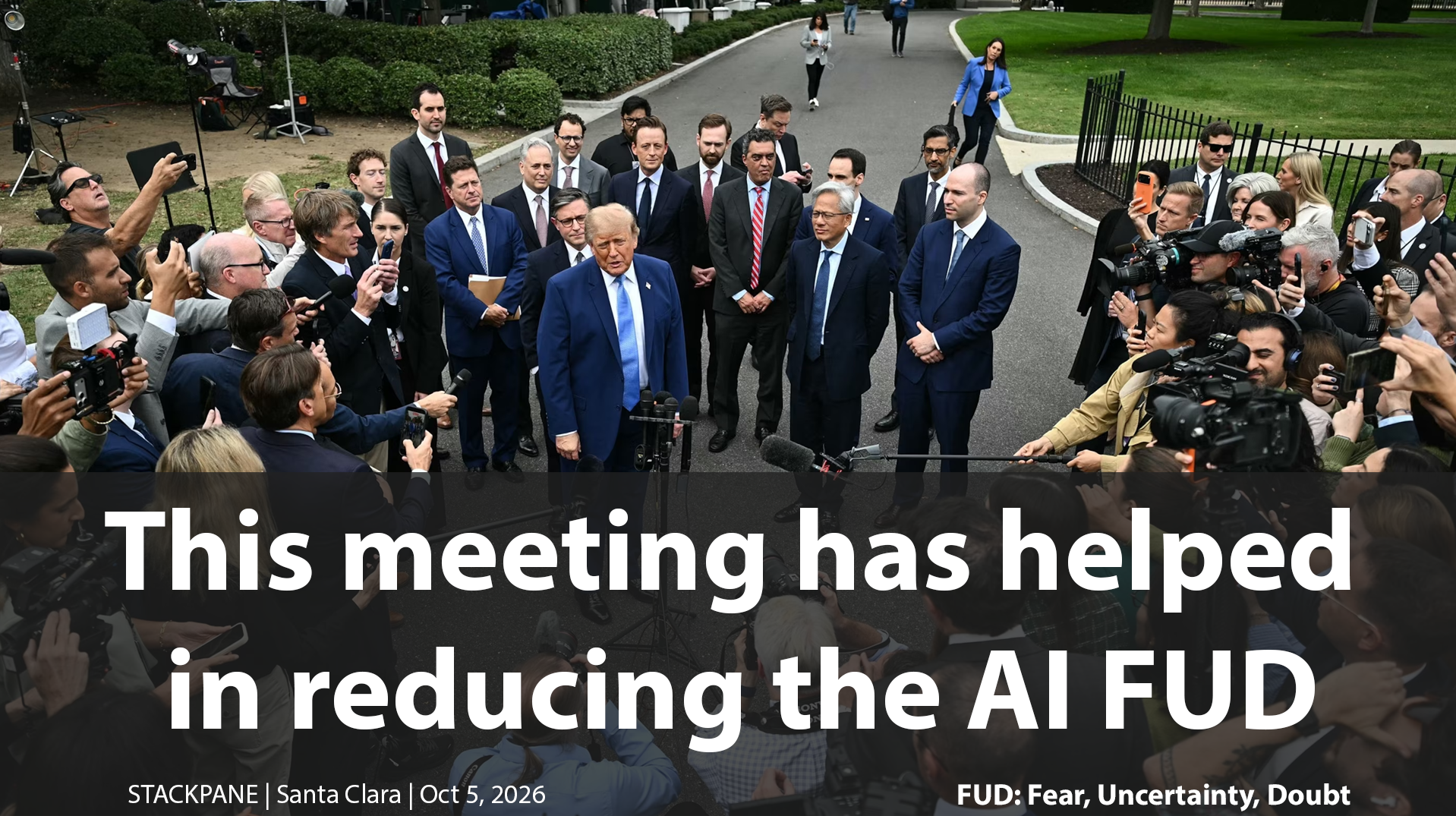
Last week’s gathering of AI leaders at White House was a refreshing move for US AI industry. Good old and newly minted (relatively speaking) teach leaders talking to each other creates what I call Bridging-Narratives… it enables appreciation for age old systems norms like (David Vellante) AI needing IA (Information Architecture), it helps new leaders understand what does self regulation really mean, and value of proper testing and releases practices etc. 


Without talking to each other, legacy big-tech (likes of Google, Microsoft, Amazon, Nvidia) and neo big-tech (likes of OpenAI, Anthropic, xAI) will remain way off in their approaches in product releases and Go to Market approaches. That has and will create friction for the vendors and FUD (fear, uncertainty & doubt) in the market. The fact is, different operating philosophies eventually become market friction.

The September 29 White House gathering included executives from Nvidia, Google, Microsoft, Amazon, Meta, OpenAI, Anthropic, xAI, AMD, Broadcom and others—so it genuinely brought together what you call established Big Tech and the newer frontier-AI companies. Six AI companies also signed a voluntary accord involving internal controls, independent audits and board-level oversight.

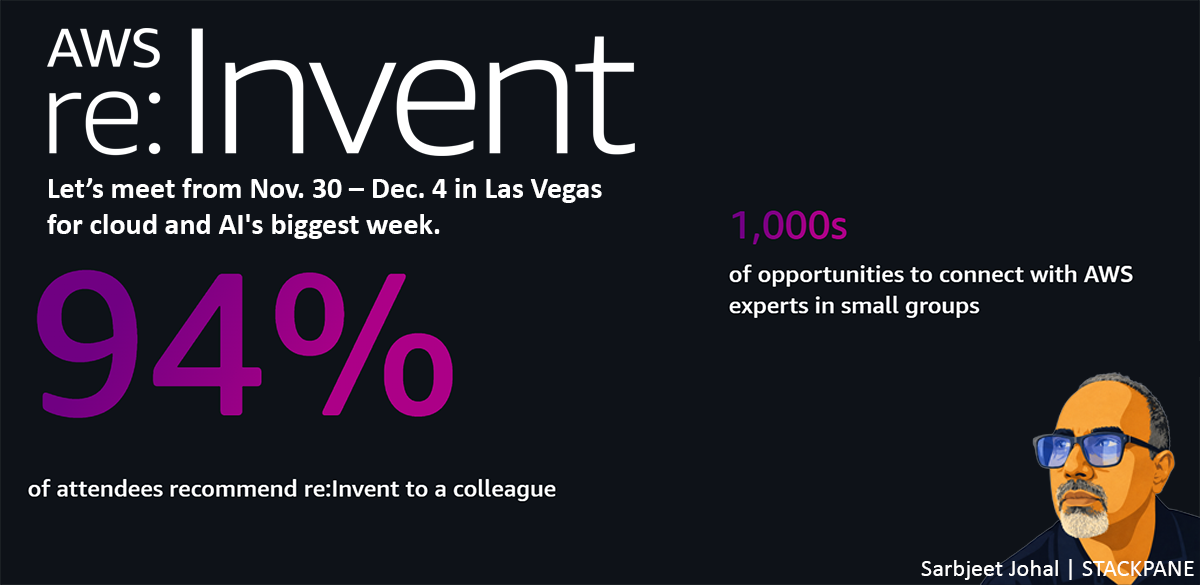
reInvent 2026

Reinvent 2026 Nov 30 - Dec 4, 2026, Las Vegas

Location: Venetian, Las Vegas + more (see venues below)
  • Venues: Spread across Las Vegas properties including The Venetian, MGM Grand, Caesars Forum, Caesars Palace, Wynn, and Encore (Mandalay Bay is out of the rotation this year).
  • Focus & Themes: Heavily anchored in generative AI, agentic AI, cloud migration, security, serverless architecture, and developer productivity.
  • Session Lineup: Over 2,200 total sessions, with roughly 70% in interactive formats (workshops, builder sessions, chalk talks, and code talks).
  • Keynotes & Schedule Changes:
    • Features CEO Matt Garman’s keynote and major service announcements.
    • Notable shift: No Werner Vogels keynote this year.
    • Thursday features a dedicated focus on security deep-dives

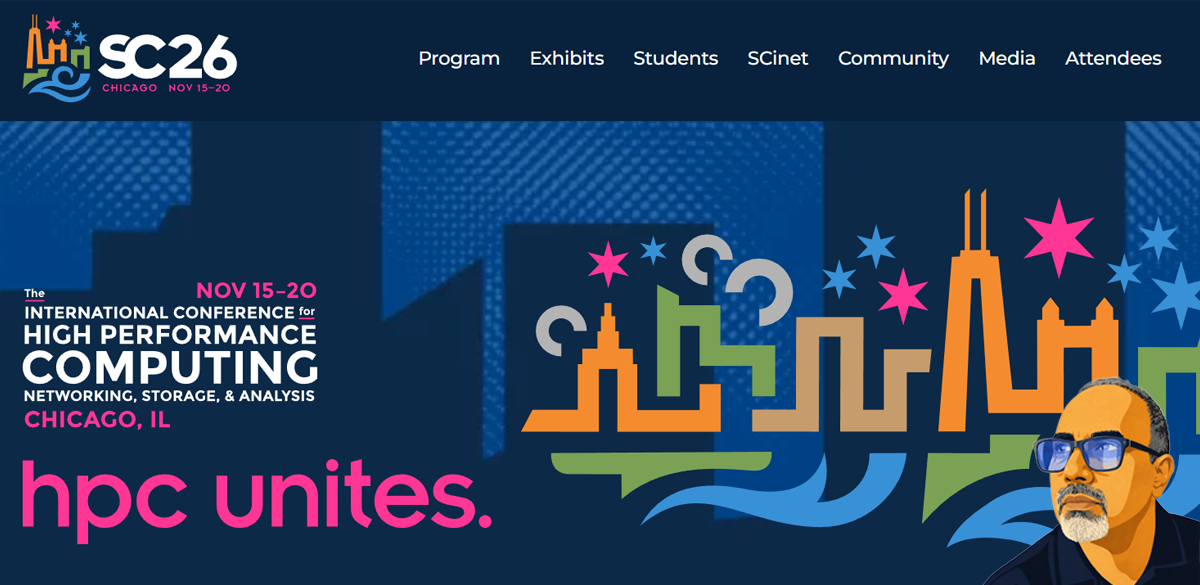
Super Computing 2026 Chicago

Super Computing 2026, Nov 15-20, Chicago

Location: McCormick Place at 2301 S. Dr. Martin Luther King Jr. Dr.

Why Attend

SC26 is the leading technical program for the HPC community, offering a mix of cutting‑edge research, industry innovation, and community engagement. It is relevant to researchers, engineers, vendors, policymakers, and students seeking to explore HPC’s latest advances and applications. For the most current schedule, registration, and program updates, visit the official SC26 site: sc26.supercomputing.org

Key Program Highlights sc26.supercomputing.org+1

  • Technical Program: Peer‑reviewed papers, expert‑led sessions, panels, tutorials, workshops, and special events for early‑career researchers YouTube.

  • Keynote: Animashree Anandkumar (Caltech) on AI’s next frontier — understanding the physical world to accelerate discovery sc26.supercomputing.org.

  • HPC Unites Plenary: Emphasizing collaboration and community impact www.tradeshoweventdirectory.com.

  • Regional Tech Hub: AI and quantum research with real‑world impacts in medicine and HPC sc26.supercomputing.org.

  • Awards: Includes the SC26 Test of Time Award for lasting GPU sparse computing contributions sc26.supercomputing.org.

  • Students@SC: Volunteer programs, cluster competitions, mentoring, and networking www.tradeshoweventdirectory.com.

  • SCinet: Large‑scale, high‑performance network connecting exhibitors and attendees www.tradeshoweventdirectory.com.

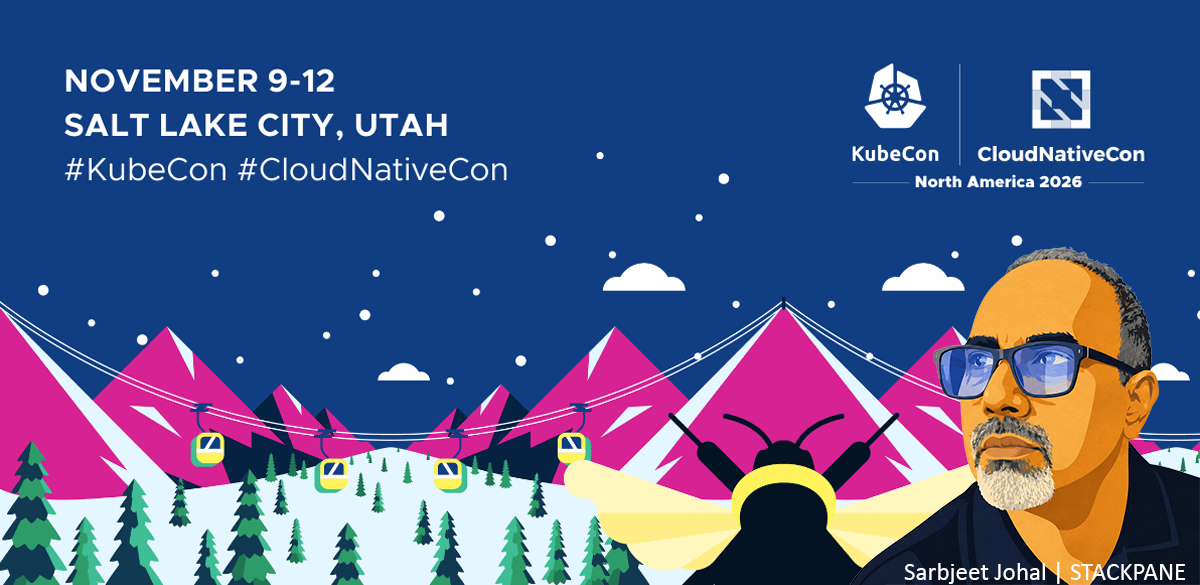
KubeCon 2026

KubeCon 2026 Nov 9 - Nov 12, 2026, Salt Lake City

Location: Salt Palace Convention Center in Salt Lake City, Utah.

See the KubeCon 2026 Agenda — KubeCon + CloudNativeCon North America is in Salt Lake City, November 9 to 12, 2026. See the KubeCon 2026 schedule, speakers and sessions, then register for your ticket. Workshops.

Key Highlights

  • Sessions and Talks: The program includes keynotes, 55 sessions, 8 lightning talks, and breakout discussions www.cncf.io.
  • Topics Covered: AI integration with Kubernetes, observability, platform engineering, cloud-native operations, and security best practices www.cncf.io.
  • Speakers: Notable speakers include Saiyam Pathak, Principal Developer Advocate at vCluster, and Sonali Srivastava, Senior Developer Advocate at InfraCloud Technologies, among others linuxfoundation.org.
  • Community Focus: The conference emphasizes open-source collaboration, developer empowerment, and knowledge sharing, particularly for India’s growing startup ecosystem